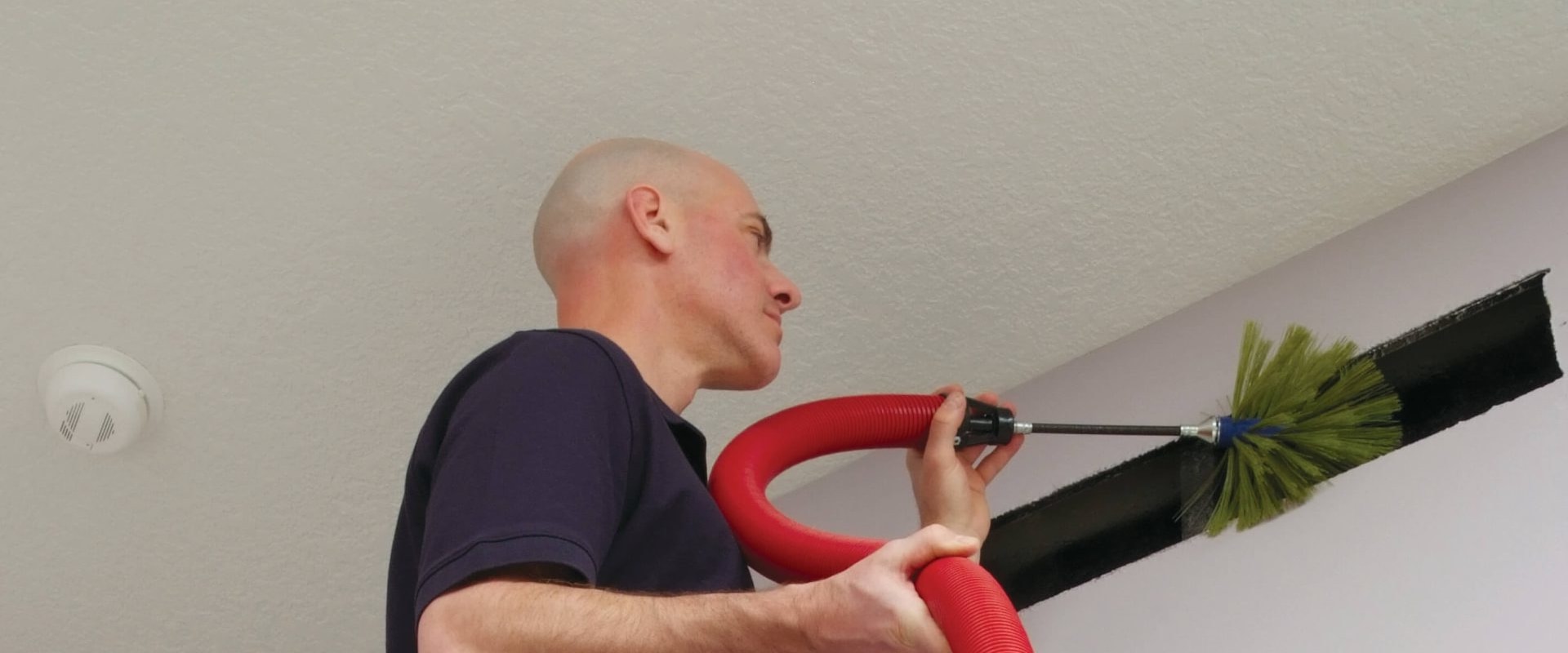
In the realm of home maintenance, duct cleaning and duct sanitizing have emerged as critical components in ensuring optimal indoor air quality. As homeowners become increasingly aware of the importance of clean air, the role of HVAC systems in maintaining a healthy living environment cannot be overstated. However, misconceptions about what duct cleaning entails and its actual benefits often cloud the decision-making process for many. Understanding these aspects is essential for making informed choices regarding your home's air quality.Duct cleaning involves the removal of dust, debris, and other contaminants from the ductwork of your heating, ventilation, and air conditioning (HVAC) system.
While some may view this service as merely cosmetic, it plays a significant role in enhancing the efficiency of your HVAC system and improving overall air quality. On the other hand, duct sanitizing goes a step further by applying antimicrobial agents to eliminate bacteria, mold, and other harmful microorganisms that may thrive within the ducts. This process is particularly relevant for households with allergies or respiratory issues, as it can help mitigate potential health risks associated with poor indoor air quality.Despite its importance, many homeowners remain skeptical about the necessity of duct cleaning and sanitizing. Some believe that routine cleaning is unnecessary unless visible dust accumulates or specific health issues arise.
Others may question whether these services genuinely contribute to better air quality or if they are simply an upsell tactic by service providers. By addressing these misconceptions and providing clear information about the benefits and limitations of duct cleaning and sanitizing, we can empower homeowners to make educated decisions that positively impact their living environments.
Common Myths About Duct Cleaning
When it comes to duct cleaning, many homeowners are often misled by common myths that can cloud their judgment. Understanding these misconceptions is essential for making informed decisions about your home’s air quality and maintenance.Myth 1: Duct Cleaning Prevents Health Issues
One of the most prevalent myths is that cleaning your ducts will significantly improve your health by eliminating allergens and pollutants. While it’s true that clean ducts can contribute to better air quality, there is no conclusive evidence that they directly prevent health problems.The Environmental Protection Agency (EPA) states that contaminants from sources like outdoor pollution, cooking, and even household activities often have a more significant impact on indoor air quality than dust in the ducts.
Myth 2: Duct Cleaning Improves Energy Efficiency
Another common belief is that duct cleaning will enhance the energy efficiency of your heating and cooling systems. While maintaining clean components of your HVAC system, such as coils and fans, can improve efficiency, simply cleaning the ducts may not yield the same results. In fact, if the ducts are not causing airflow issues, cleaning them may not provide any noticeable benefits.Myth 3: Routine Duct Cleaning is Necessary
Many homeowners think that duct cleaning should be a regular part of home maintenance. However, the EPA does not recommend routine duct cleaning unless there are specific issues such as visible mold growth or an infestation of pests.Regular inspections are more beneficial than frequent cleanings.
Myth 4: All Duct Cleaning Services are the Same
The duct cleaning industry is not regulated uniformly, leading to varying levels of service quality. Some companies may use aggressive marketing tactics to promote their services without providing adequate results. It’s crucial to research and choose a reputable service provider who follows industry standards.Myth 5: Duct Cleaning Eliminates Odors
While duct cleaning can help reduce some odors caused by dust and debris accumulation, it is not a cure-all for persistent smells in your home. Odors often stem from other sources such as mold, pets, or cooking.Identifying and addressing these root causes is essential for effective odor management.By debunking these myths surrounding duct cleaning, homeowners can make more informed decisions about their indoor air quality and maintenance practices. Understanding what duct cleaning can and cannot do is vital for ensuring a healthy living environment.
The Science Behind Duct Sanitizing
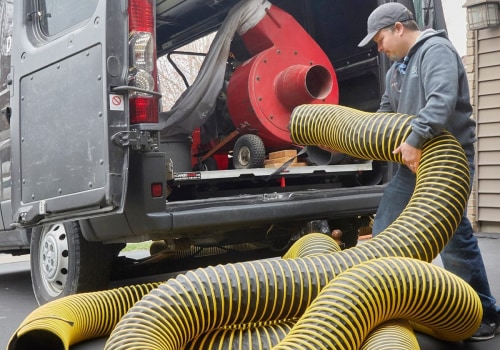
Duct sanitizing is a process designed to improve indoor air quality by eliminating contaminants from the ductwork of heating, ventilation, and air conditioning (HVAC) systems. Understanding the duct sanitizing process is essential for homeowners who want to ensure a healthier living environment.The process typically begins with a thorough inspection of the duct system. Technicians assess the condition of the ducts, looking for signs of mold, dust accumulation, and other pollutants.This initial step is crucial as it helps identify specific areas that require attention and determines the most effective sanitizing methods.Once the inspection is complete, the actual duct sanitizing process can commence. This usually involves several key steps:
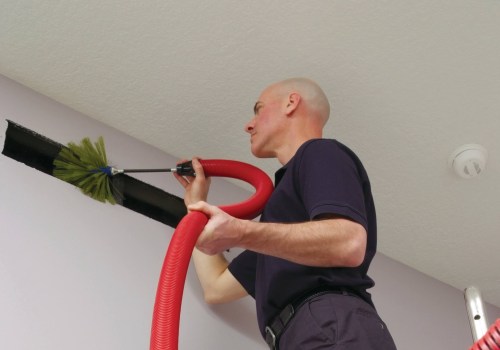
- Cleaning: Before sanitizing, ducts are cleaned using specialized equipment such as high-powered vacuums and brushes. This removes dust, debris, and any visible contaminants.
- Application of Sanitizers: After cleaning, a sanitizing agent is applied to the interior surfaces of the ducts. These agents are often EPA-approved and designed to kill bacteria, mold spores, and other harmful microorganisms.
- Post-Sanitization Inspection: Following the application of sanitizers, technicians may conduct a follow-up inspection to ensure that all contaminants have been effectively neutralized.
By removing harmful pollutants, homeowners can experience:
- Improved Indoor Air Quality: Reducing allergens and pathogens can lead to fewer respiratory issues and allergies.
- Enhanced HVAC Efficiency: Clean ducts allow for better airflow, which can improve the efficiency of heating and cooling systems.
- Odor Reduction: Sanitizing can help eliminate musty or unpleasant odors that may linger in ductwork.
When Is Duct Cleaning Necessary?
Understanding when duct cleaning is necessary is crucial for maintaining a healthy indoor environment. While routine cleaning may not be required, there are specific situations where it becomes essential. Here are some key scenarios to consider:- After Home Renovations: If you've recently completed renovations or construction work in your home, it's advisable to have your ducts cleaned.
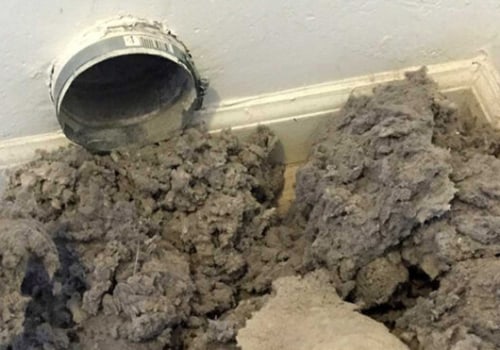
Renovations can generate a significant amount of dust and debris, which can settle in your ductwork. This buildup can affect air quality and system efficiency.
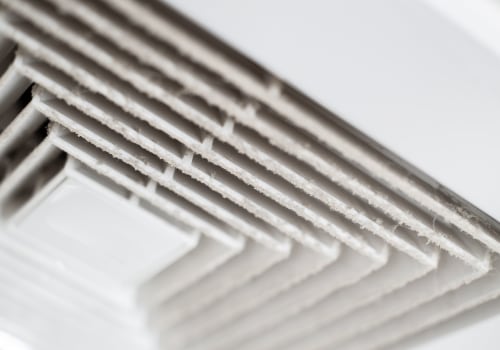
- Mold Growth: If you suspect mold growth within your duct system, immediate action is necessary. Mold can pose serious health risks, especially for individuals with respiratory issues or allergies. Signs of mold include a musty odor or visible mold on surfaces near vents.
- Allergy Symptoms: If you or your family members experience unexplained allergy symptoms, such as sneezing, coughing, or nasal congestion, it may be time to inspect your ducts.
Dust, pollen, and other allergens can accumulate in the ductwork and circulate throughout your home.
- Pest Infestations: The presence of pests like rodents or insects in your duct system can lead to contamination and health hazards. If you notice signs of pests, such as droppings or nests near vents, consider having your ducts cleaned to eliminate any potential health risks.
- Unusual Odors: Foul odors emanating from your vents can indicate a buildup of dust, mold, or even dead animals within the ductwork. If you notice persistent unpleasant smells, it’s a clear sign that duct cleaning is needed.
Generally, if you notice any of the signs mentioned above or if it has been several years since your last cleaning, it may be time to consider this service.Ultimately, being proactive about duct maintenance can help improve indoor air quality and ensure that your HVAC system operates efficiently. Regular inspections and timely cleaning when necessary will contribute to a healthier living environment for you and your family.
Potential Risks of Improper Duct Cleaning
While duct cleaning can offer benefits, improper practices can lead to significant risks. Understanding these potential hazards is crucial for homeowners considering this service.Health Risks
- Release of Contaminants: If ducts are not cleaned properly, dust, mold spores, and other allergens can be disturbed and released into the air. This can exacerbate respiratory issues, allergies, and other health problems for occupants.
- Use of Harmful Chemicals: Some cleaning services may use chemical biocides or treatments that can pose health risks if not applied correctly. Some cleaning services may use chemical biocides or treatments that can pose health risks if not applied correctly.
These substances can linger in the air and may cause irritation or allergic reactions.
Damage to HVAC Systems
- Improper Equipment Use: Using the wrong tools or techniques can damage ductwork. For instance, using high-pressure air can dislodge debris but may also cause tears or leaks in the ducts.
- Neglecting System Components: Focusing solely on duct cleaning without addressing other components like coils and fans can lead to inefficiencies. Dirty coils can reduce system performance and increase energy costs.
Common Duct Cleaning Mistakes
- Lack of Inspection: Skipping a thorough inspection before cleaning can result in overlooking underlying issues such as mold growth or pest infestations that need to be addressed first.
- Inadequate Training: Hiring unqualified technicians who lack proper training can lead to ineffective cleaning methods that fail to remove contaminants or even worsen indoor air quality.
By doing so, you can ensure that your duct cleaning experience is beneficial rather than detrimental.
Choosing a Qualified Duct Cleaning Service
When it comes to duct cleaning , selecting a qualified service provider is crucial to ensure that the job is done effectively and safely. With numerous companies offering duct cleaning services, it can be challenging to determine which ones are reputable and capable of delivering quality results. Here are some essential tips to help you choose a qualified duct cleaning service.Research and Recommendations
Start by seeking recommendations from friends, family, or neighbors who have recently had their ducts cleaned. Personal experiences can provide valuable insights into the quality of service offered by different companies.Additionally, consider checking online reviews and ratings on platforms like Google, Yelp, or Angie's List to gauge customer satisfaction.
Verify Credentials
Before hiring a duct cleaning service, ensure that they are properly licensed and insured. A reputable company should have the necessary certifications from recognized organizations such as the National Air Duct Cleaners Association (NADCA). This certification indicates that the company adheres to industry standards and best practices.Ask About Their Cleaning Process
Inquire about the specific methods and equipment the company uses for duct sanitizing. A qualified service provider should be able to explain their cleaning process in detail, including how they remove dust, debris, and contaminants from your ducts.Look for companies that use advanced technology, such as high-powered vacuums and specialized brushes, to ensure thorough cleaning.
Get Multiple Estimates
It’s wise to obtain estimates from several duct cleaning companies before making a decision. This will not only give you an idea of the average cost but also allow you to compare the services offered. Be cautious of prices that seem too good to be true; they may indicate subpar service or hidden fees.Questions to Ask
- What is included in your duct cleaning service?
- Do you provide a written estimate?
- How long will the cleaning process take?
- What type of equipment do you use?
- Can you provide references from previous clients?
Check for Complaints
Finally, check with the Better Business Bureau (BBB) for any complaints against the company. A history of unresolved complaints may be a red flag indicating potential issues with their service.Choosing a qualified duct cleaning service requires careful consideration and research.By following these guidelines, you can make an informed decision that ensures your home’s air quality is improved through professional duct cleaning.
The Role of Regular Maintenance in Indoor Air Quality
Maintaining optimal indoor air quality (IAQ) is essential for the health and comfort of your home. One of the most effective ways to achieve this is through regular maintenance of your HVAC system. A well-maintained HVAC system not only ensures efficient heating and cooling but also plays a crucial role in filtering out pollutants and allergens that can compromise air quality.Understanding the Connection Between HVAC Maintenance and Indoor Air Quality
Regular maintenance of your HVAC system includes tasks such as changing filters, cleaning coils, and inspecting ductwork. These actions help to:
- Reduce Dust and Allergens: Over time, dust, pollen, and other allergens can accumulate in your HVAC system.
Regularly changing filters and cleaning components can significantly reduce these particles, leading to cleaner air.
- Improve System Efficiency: A well-maintained system operates more efficiently, which can lead to lower energy bills. When your HVAC system runs efficiently, it also reduces the likelihood of pollutants being circulated throughout your home.
- Prevent Mold Growth: Moisture can accumulate in HVAC systems, creating an ideal environment for mold growth. Regular inspections and maintenance can help identify and address moisture issues before they become a problem.
HVAC Maintenance Tips for Improved Indoor Air Quality
To ensure that your HVAC system is functioning optimally, consider the following maintenance tips:
- Change Filters Regularly: Depending on usage, filters should be changed every 1-3 months. This simple task can have a significant impact on air quality.
- Schedule Professional Inspections: At least once a year, have a professional inspect your HVAC system.
They can identify potential issues that may not be visible to the untrained eye.
- Clean Ductwork as Needed: While routine duct cleaning is not always necessary, if you notice excessive dust or mold growth, it may be time to schedule a cleaning.
- Monitor Humidity Levels: Keep indoor humidity levels between 30-50% to prevent mold growth and maintain comfort.
The Benefits of Regular Maintenance
The benefits of regular HVAC maintenance extend beyond just improved indoor air quality. Homeowners can experience:
- Increased Lifespan of Equipment: Regular care can extend the life of your HVAC system, saving you money on premature replacements.
- Enhanced Comfort: A well-maintained system provides consistent temperatures and humidity levels throughout your home.
- Peace of Mind: Knowing that your HVAC system is functioning properly allows you to focus on other aspects of home management without worrying about air quality issues.
FAQs About Duct Cleaning and Sanitizing
When it comes to duct cleaning and duct sanitizing , many homeowners have questions. Here are some of the most frequently asked questions that can help clarify your understanding of these services.What is duct cleaning?
Duct cleaning involves the removal of dust, debris, and other contaminants from the air ducts of your heating and cooling system.This process typically includes cleaning the supply and return air ducts, as well as other components like the heat exchanger, cooling coils, and fan.
How often should I have my ducts cleaned?
The frequency of duct cleaning can vary based on several factors, including:- The presence of pets that shed hair and dander.
- Renovations or construction work that may introduce dust and debris into your home.
- Allergies or respiratory issues among household members.
- Visible mold growth inside the ducts.
What is duct sanitizing?
Duct sanitizing
is a process that follows duct cleaning. It involves applying a biocide or antimicrobial agent to the interior surfaces of the ducts to eliminate bacteria, mold spores, and other microorganisms. This step is particularly important if there has been a significant buildup of contaminants or if you suspect microbial growth.
Is duct sanitizing necessary?
Duct sanitizing is not always necessary after every cleaning. If your ducts are relatively clean and free from mold or bacteria, you may not need this additional step.However, if you notice persistent odors or have health concerns related to air quality, sanitizing can provide peace of mind.
Can I clean my ducts myself?
While some homeowners may attempt to clean their ducts themselves using vacuum attachments or brushes, professional duct cleaning services are recommended for thoroughness and safety. Professionals have specialized equipment that can reach deep into the ductwork and effectively remove contaminants without damaging the system.What should I look for in a duct cleaning service?
When selecting a duct cleaning service, consider the following:- Certification: Ensure the company is certified by a recognized organization such as the National Air Duct Cleaners Association (NADCA).
- Experience: Look for companies with a proven track record in duct cleaning.
- Reviews: Check online reviews and testimonials from previous customers.
- Transparency: A reputable company should provide clear information about their services and pricing upfront.
Conclusion: Making Informed Decisions About Duct Cleaning
In conclusion, understanding the nuances of duct cleaning and duct sanitizing is essential for homeowners who wish to maintain a healthy indoor environment. Throughout this article, we have explored various myths and facts surrounding duct cleaning, emphasizing the importance of making informed decisions based on credible information.One of the primary takeaways is that while duct cleaning can be beneficial in certain circumstances, it is not a one-size-fits-all solution. The Environmental Protection Agency (EPA) does not endorse routine duct cleaning but suggests it only when specific conditions warrant it.This means that homeowners should assess their unique situations before deciding to invest in such services.Moreover, we have highlighted that many contaminants found in indoor air often originate from sources other than dirty ducts. Activities such as cooking, cleaning, and even outdoor pollution can contribute significantly to indoor air quality issues. Therefore, addressing these sources may be more effective than focusing solely on duct cleanliness.When considering duct sanitizing, it is crucial to understand that not all methods are equally effective or safe. Some treatments may involve chemicals that have not been thoroughly researched, raising concerns about their long-term impact on indoor air quality.
Homeowners should prioritize thorough research and consult with professionals who adhere to best practices in the industry.Ultimately, the decision to clean or sanitize your ducts should be based on a comprehensive evaluation of your home’s air quality and any specific health concerns you or your family may have. Engaging with qualified professionals who can provide tailored advice will empower you to make choices that enhance your living environment.By separating fact from fiction regarding duct cleaning and sanitizing, you can ensure that your decisions are grounded in reality rather than misconceptions. This approach not only protects your health but also contributes to the overall efficiency of your heating and cooling systems.